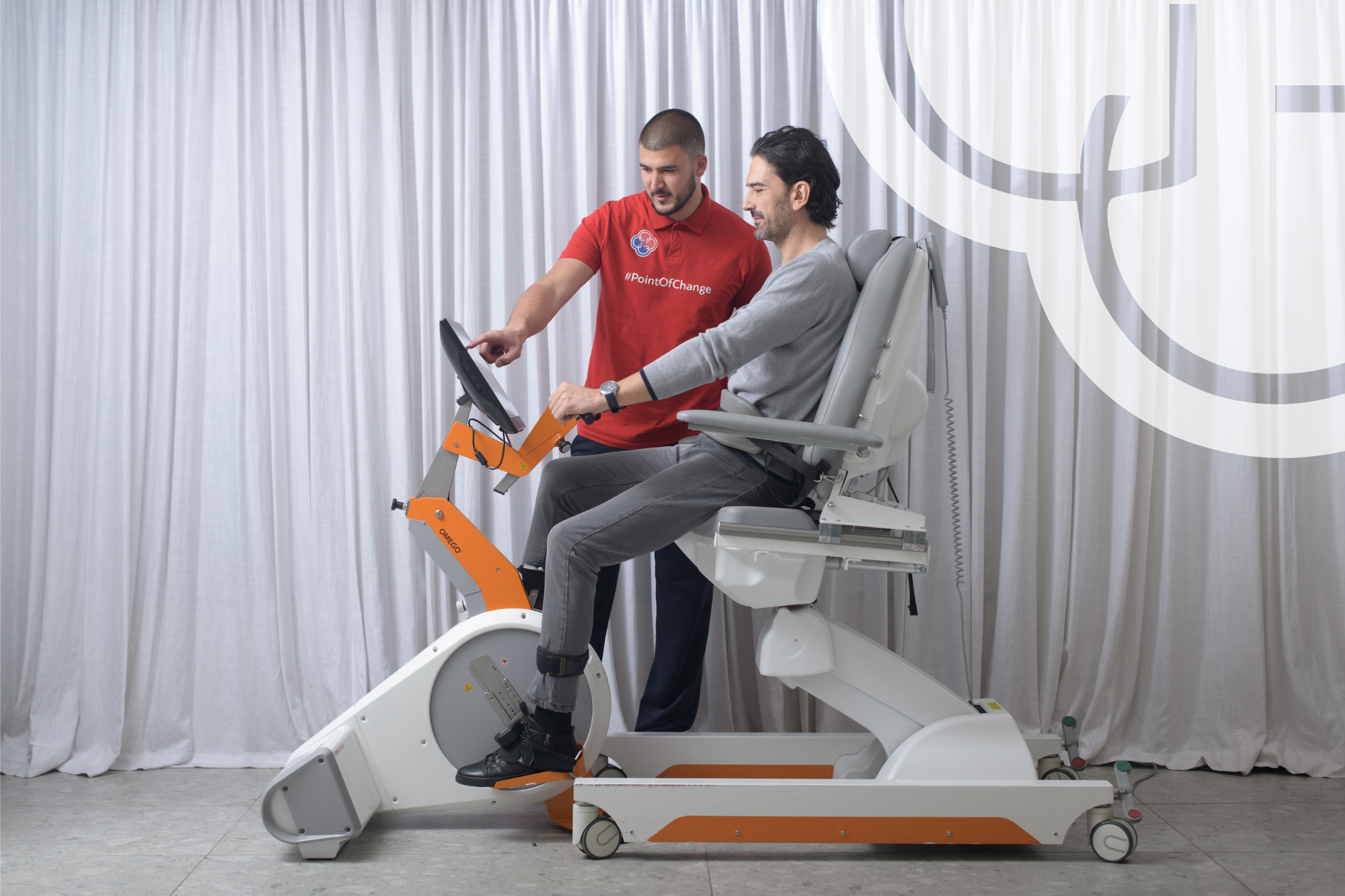
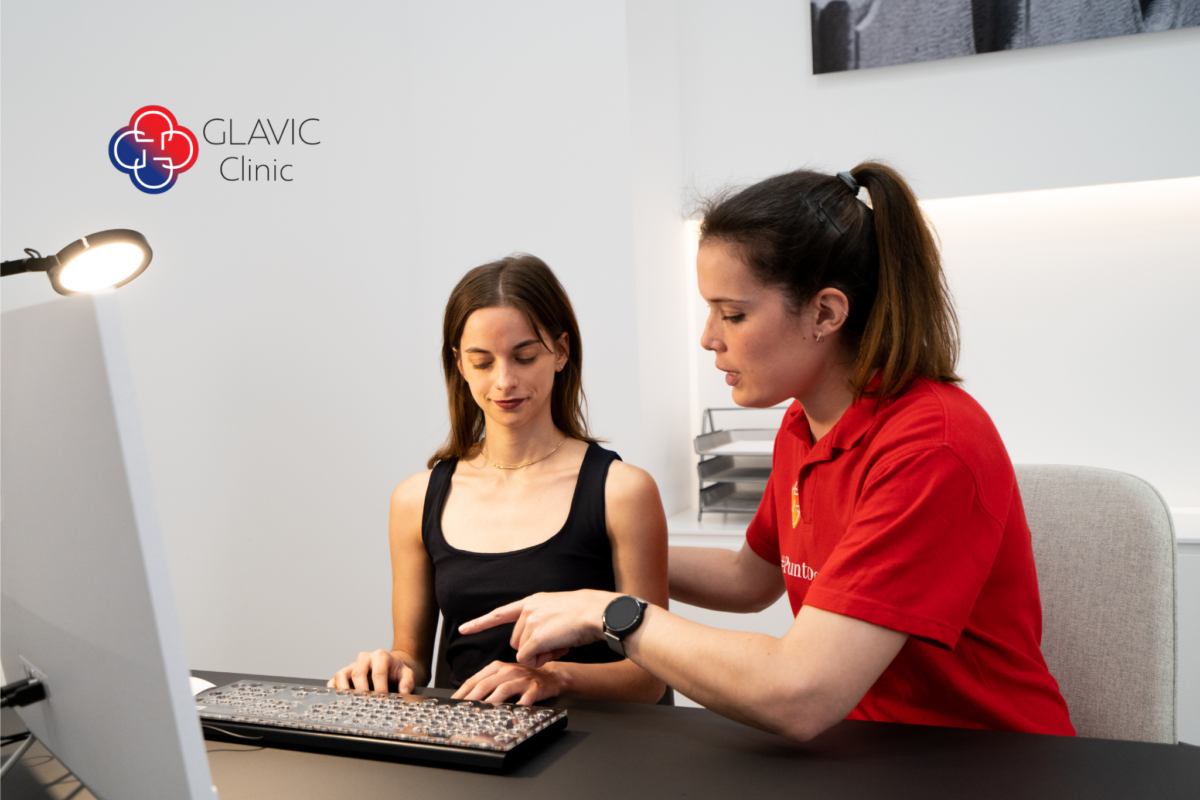
When a person faces a process of neurological rehabilitation, they usually do so after having previously experienced a critical medical situation and a profound change in their vital, social, family, and work roles. This triggers a cascade of events that impose a rapid reorganization of both the patient and their environment.
In many cases, this reorganization occurs without structured guidance, with each person acting according to their own judgment on how best to help the affected individual. A key clinical question therefore arises:
What does a person who has suffered this type of injury need in order to recover in the best possible way?
Let’s break down some of the key points for facing this situation:
The “three-month recovery limit” has been surpassed
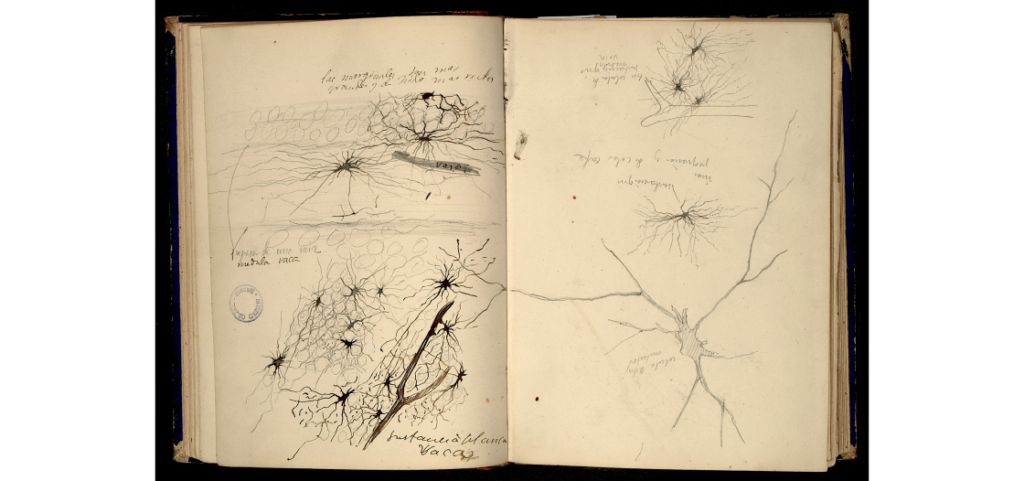
Neuroplasticity is the potential of the nervous system to modify itself in order to form new neural connections in response to new information, sensory stimulation, development, dysfunction, or injury. This process involves a complex interplay of biochemical and physiological mechanisms including synaptic remodeling, dendritic sprouting, and the activity of neurotrophic factors such as BDNF that enable the nervous system to generate adaptive responses at both the cellular and network level.
In 1888, Santiago Ramón y Cajal identified the neuron as the structural unit of the nervous system. Since then, advances in technology, neuroscience, and clinical medicine have deepened our understanding of how neural connections form, reorganize, and recover, both in central and peripheral nervous system lesions. Landmark work such as that of Wall and Egger demonstrated the formation of new connections in adult mammalian brains following partial deafferentation, providing early experimental evidence for post-injury neuroplasticity.
Until the 1970s, it was believed that the development and recovery of the brain stopped in adulthood, but current brain neuroimaging techniques have made it possible to reconceptualize the dynamics of the central nervous system and its functioning.
There is evidence showing that the brain can change to adapt to different circumstances, not only during childhood and adolescence but also in adulthood and even in situations of brain injury, which means that the brain is flexible and modifiable. This confirms structural changes in the central nervous system even in adults under a specific training environment after an injury.
This brief historical and scientific justification supports the idea that intervention and recovery are possible even years after a nervous system injury, as long as it is carried out within a specific framework.
What is the “specific training environment” after a neurological injury?
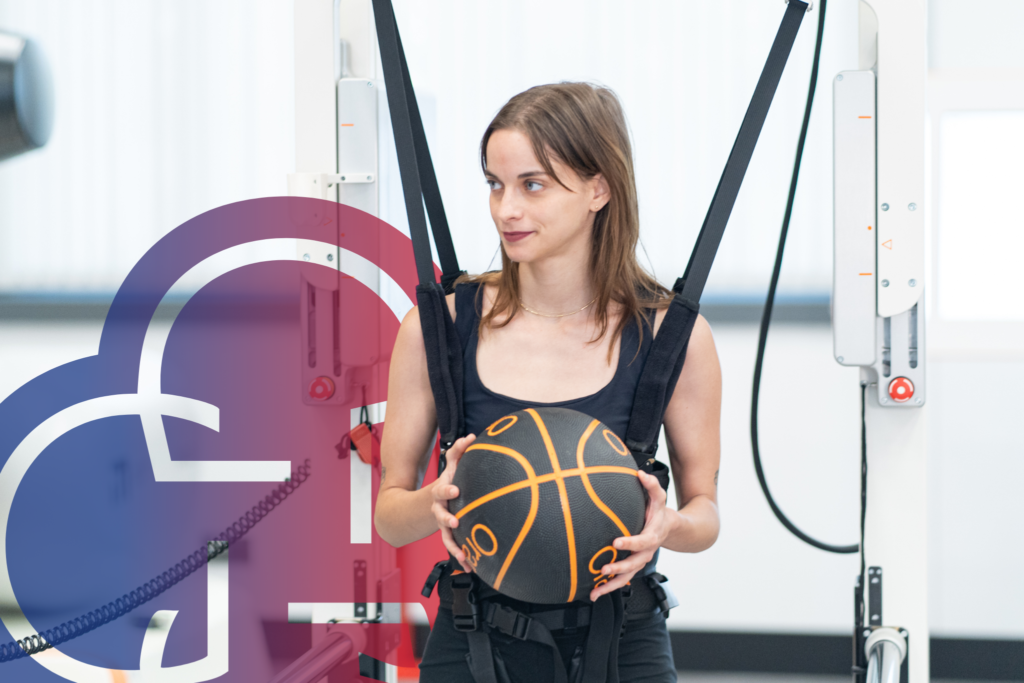
It is a space where the use of affected areas is guided, supervised, and facilitated, encouraging the nervous system to make an active “effort” to create new connections that support better recovery.
Team of professionals
Trained therapists specialized in addressing this type of injury, with a deep understanding of the physiology and pathologies of the nervous system, capable of identifying the patient’s impairments and proposing solutions from both a medical and rehabilitative perspective.
Progressive treatment plans
Treatments are time-variable processes that require individualized planning. They are designed based on an initial personalized assessment, which allows establishing the patient’s baseline condition. From there, different therapeutic milestones are set, which progressively and cumulatively contribute to improving the patient’s function and overall condition.
Strategies that facilitate the use of affected limbs
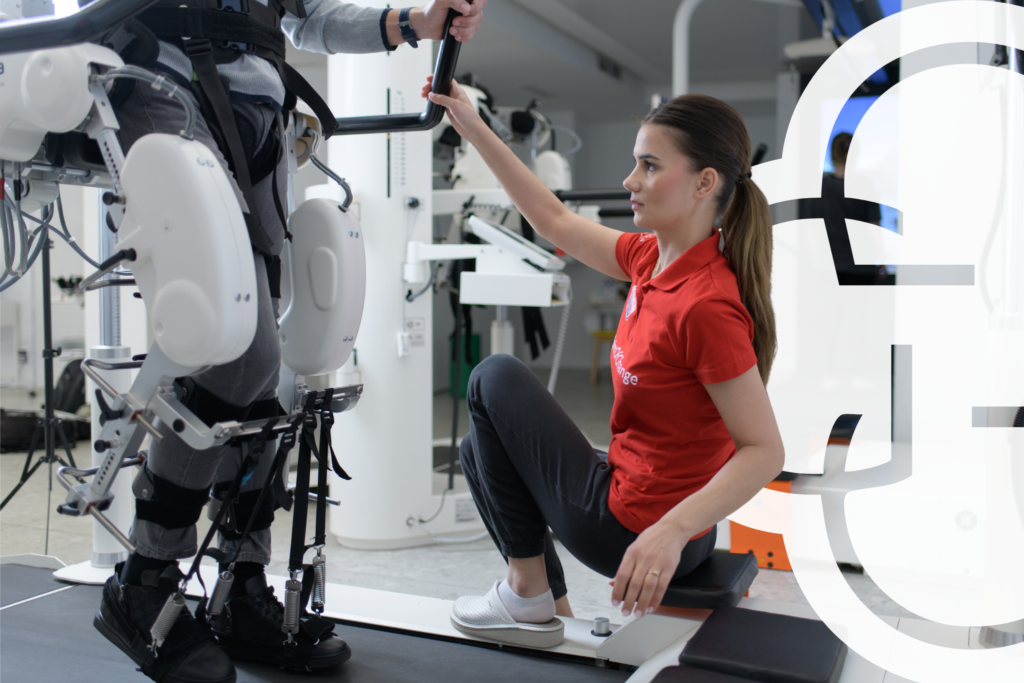
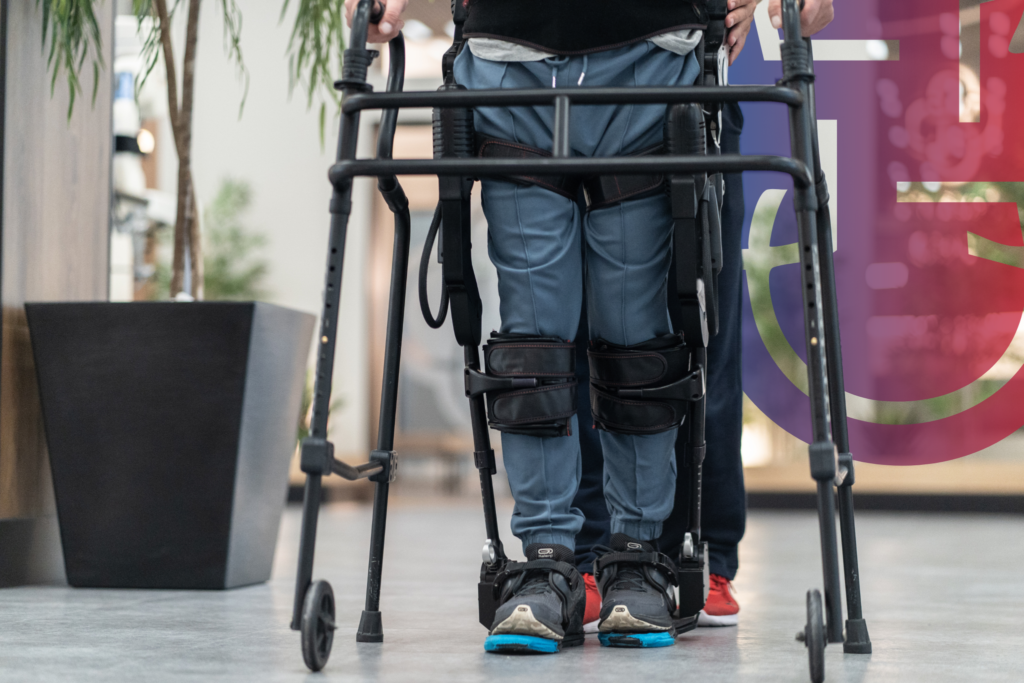
Technology and robotics applied to neurorehabilitation are enabling safer, more intensive, and more consistent interventions, promoting the active use of affected limbs and encouraging their participation in different activities. These tools facilitate the repetition of goal-oriented movements – a key mechanism for stimulating neuroplasticity and motor relearning. Currently, there is a wide variety of devices and rehabilitation systems, such as exoskeletons, robots, body weight support systems, virtual reality platforms, or interactive neurostimulation devices.
The most effective are those that adjust the level of assistance to the patient’s actual abilities, providing only the necessary support (“as much assistance as needed”) without generating over-assistance that limits active participation. This approach allows the patient to maintain an active and leading role during therapy, promoting voluntary effort and motor and cognitive engagement.
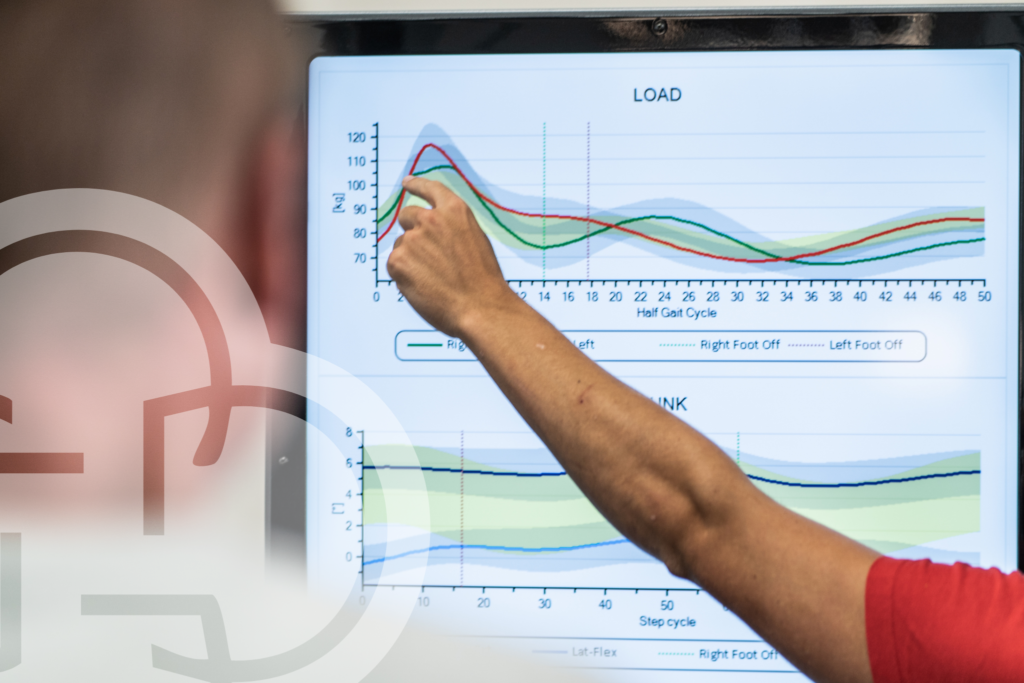
The incorporation of technology and robotics also brings relevant clinical advantages: it allows data to be objectified, progress to be measured with precision, treatment intensity to be adjusted in real time, and more repetitive and specific therapies to be delivered (something difficult to achieve through manual intervention alone). All of this contributes to optimizing functional recovery and increasing opportunities for participation and independence in the patient’s daily life.
What are the advantages of starting early rehabilitation?
It prevents complications derived from immobility. After a nervous system injury, other tissues can suffer secondary damage. These complications may include progressive muscle weakness, loss of cardiopulmonary capacity, and skin alterations, among others.
It promotes early learning of the new bodily situation. When a person has difficulty moving or speaking, it is common for them to develop compensatory strategies: altered movement patterns, stopping the use of a body part that is difficult to move, or transferring function to another segment. If the patient and their environment are not guided toward encouraging activity, the patient will progressively stop using affected functions, a well-documented phenomenon in neurorehabilitation described as learned non-use. It is always preferable to begin rehabilitation before these compensatory patterns become consolidated.
Early prescription of assistive devices and positioning aids allows the person to be as independent as possible within their environment, with adaptations adjusted according to the patient’s evolving functional status.
It helps prevent frustration through guided therapies that provide positive feedback and promote the relearning of movements in a more structured and satisfying way.
What challenges do people with a longer disease progression face?
It is common that, after several months or years since the injury, the patient (or the people in their environment) has developed strategies to cope with daily life in the most comfortable way possible. It is important that both the patient and their environment remain flexible and willing to make changes that allow for greater functional opportunities each day.
The patient has likely developed learned non-use strategies for the affected limbs and functions predominantly with the less affected ones. Careful guidance is essential to gradually introduce new activities into the daily routine. The patient’s active participation outside the clinic is essential to consolidate the transfer of gains achieved during rehabilitation sessions. It also helps identify both improvements and new difficulties, enriching and personalizing the therapeutic program.
At Glavic Clinic USA, intervention begins from day one and continues where it matters most: in the patient’s daily life. The intervention should remain active, structured, and oriented toward functional goals relevant to the patient’s daily life, in order to improve not only physical function but also autonomy, participation, and quality of life.
References
Ramón y Cajal S. Estudios sobre la estructura del sistema nervioso. 1888–1934.
Wall PD, Egger MD. Formation of new connections in adult murine brains after partial deafferentation. Nature. 1971;232:542–545.
SciELO Colombia. El límite de “recuperación en tres meses” está superado. Acta Neurol Colomb. 2014. Available at: http://www.scielo.org.co/scielo.php?script=sci_arttext&pid=S0120-87052014000100010
SciELO Colombia. Neuroplasticidad y reorganización del sistema nervioso: evidencia experimental y clínica. Available at: http://www.scielo.org.co/scielo.php?script=sci_nlinks&ref=000138&pid=S0120-8705201400010001000019&lng=en
Rajão Pinto L, et al. Impact of early rehabilitation on neurological recovery after stroke. J Popul Ther Clin Pharmacol. 2024;31(10):709–715.
Rajan S, et al. A comprehensive review on adaptive plasticity and recovery mechanisms post-acquired brain injury. Neuroprotection. 2025. doi:10.1002/nep3.70006
Hao J, et al. Effects of robot-assisted therapy for upper limb rehabilitation after stroke: An umbrella review of systematic reviews. Stroke. 2025. doi:10.1161/STROKEAHA.124.048183
Corbett D, et al. An investigation of cortical neuroplasticity following stroke in adults: is there evidence for a critical window for rehabilitation? BMC Neurol. 2015. doi:10.1186/s12883-015-0541-4