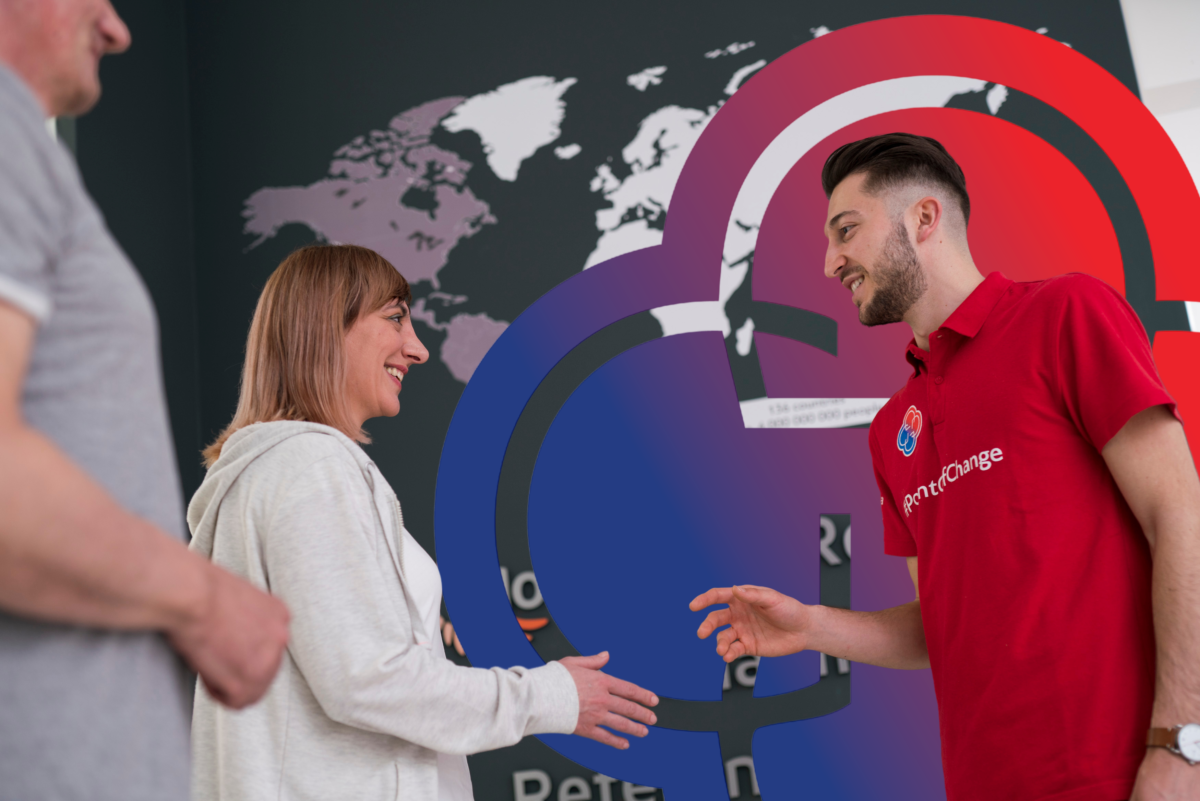
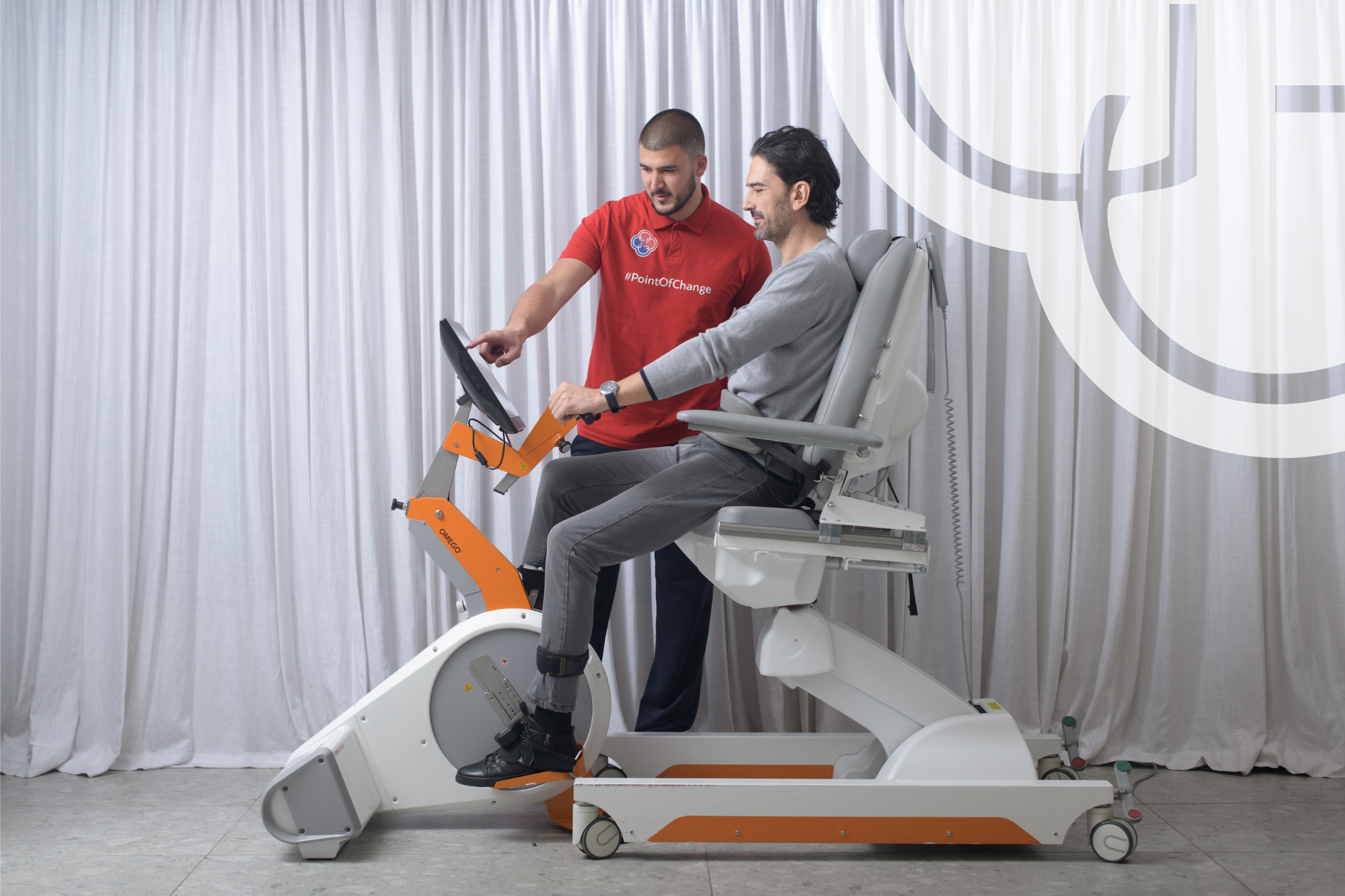
Imagine waking up one morning unable to go to the bathroom on your own. Your hand no longer responds the way it should when you reach for a glass of water. Getting dressed has become a task you cannot complete without help. These are the everyday realities faced by individuals living with a neurological injury or disease (and this is precisely where occupational therapy makes its most meaningful contribution).
Neurological occupational therapy does not simply treat the medical condition. It works to restore or adapt the functional skills that matter most to each individual patient, returning control over the moments that define daily life.
A Brain That Can Relearn
Modern neuroscience has confirmed that the brain retains a remarkable capacity to reorganize itself following injury (a phenomenon known as neuroplasticity). However, this process does not happen passively. Research consistently shows that recovery requires active, purposeful engagement with meaningful activities. In other words, the act of doing things that matter is itself the therapy.
A 2025 systematic review and meta analysis published in the Journal of Clinical Medicine confirmed that activity oriented occupational therapy significantly improves both activities of daily living (ADL) performance and physical function in stroke patients (p < 0.001), while also reducing hospital length of stay (p < 0.001). The evidence is clear: guided, meaningful practice produces better motor and cognitive outcomes than passive or decontextualized exercise.
What Neurological Occupational Therapy Actually Does
Neurological occupational therapy is holistic and entirely patient centered. The process always begins with a key question: what activity does this person want to regain or maintain? From there, a personalized treatment plan is developed that addresses cognitive, sensorimotor, and environmental dimensions together.
Core areas of intervention include:
- Personal goals: identifying the specific activities the patient wants to recover (e.g., showering independently, preparing a meal, writing, playing with grandchildren).
Cognitive and sensorimotor rehabilitation: integrating memory, attention, and perception training into real life activities, alongside exercises for coordination, strength, and balance.
Environmental adaptation: modifying the home to reduce risk and facilitate independence (grab bars, ramps, adequate lighting, adapted utensils, ergonomic equipment).
Caregiver training: equipping family members and primary caregivers with strategies that support the patient’s autonomy rather than inadvertently reducing it.
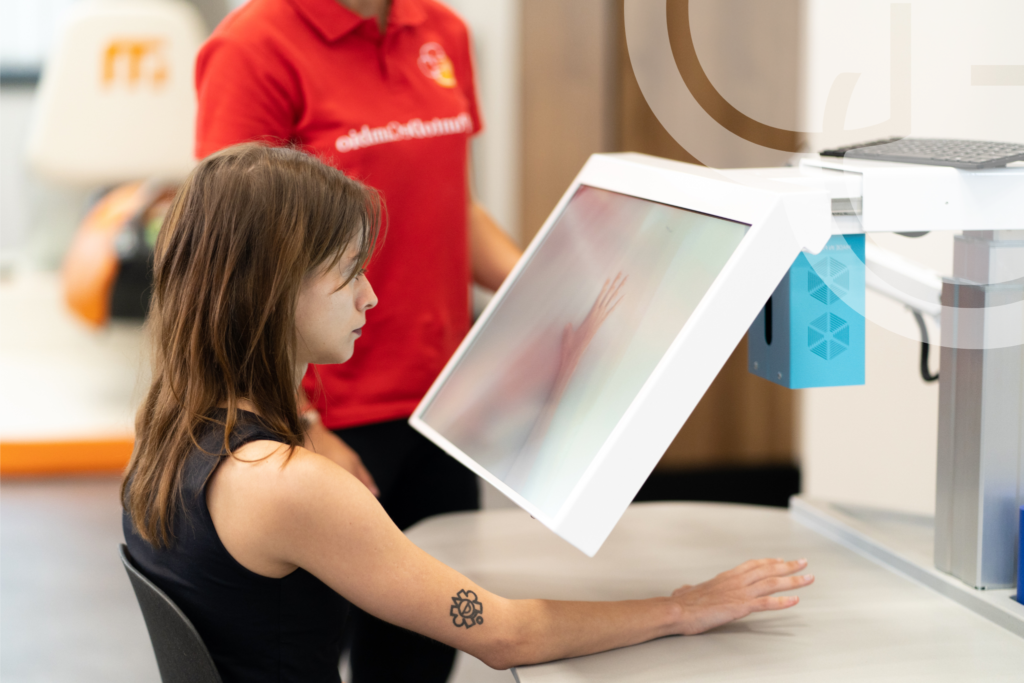
Rather than isolated, repetitive exercises without context, therapists design functional activities, getting dressed again, cooking a familiar recipe, managing finances. Memory and attention are trained within these real life situations, not in abstract cognitive tests. Occupation (doing everyday tasks) is the foundation of recovery.
The Evidence Base: What Recent Research Shows
The effectiveness of neurological occupational therapy is now supported by a robust and growing body of evidence:
Stroke rehabilitation: A 2025 meta analysis (Vásquez Carrasco et al., Journal of Clinical Medicine) analyzing nine studies found that activity oriented occupational therapy significantly improved ADL performance, physical function, and neurological status (all p < 0.001). Interventions with the strongest evidence include mirror therapy, task oriented training, mental imagery, and self management strategies.
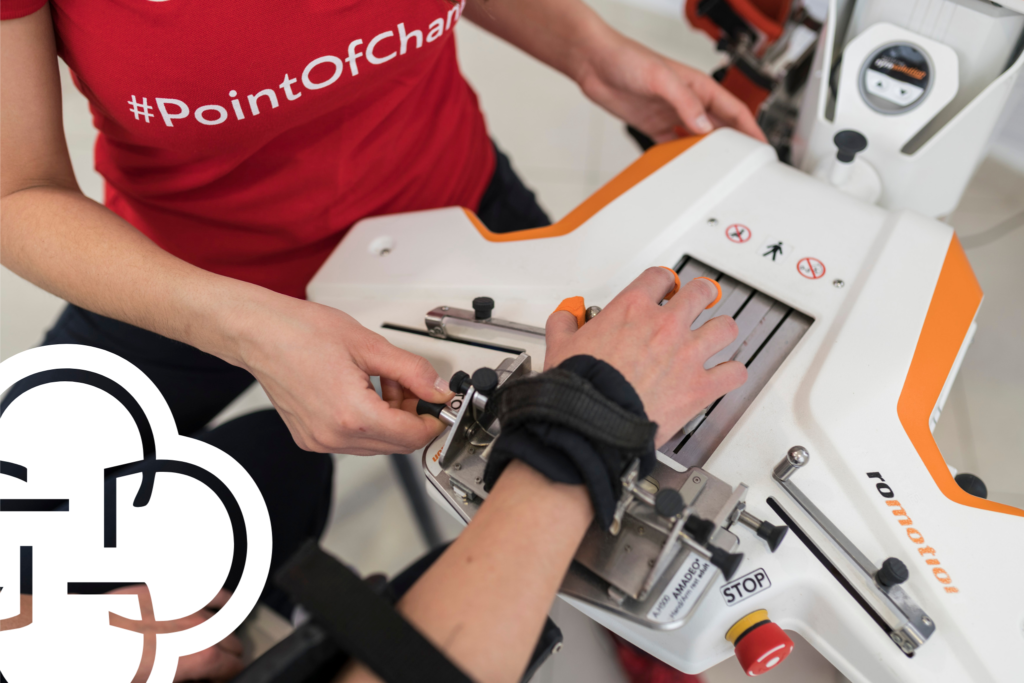
Robotic assisted neurorehabilitation: A 2024 umbrella review published in Stroke (AHA Journals), pooling data from 396 randomized controlled trials across 16 meta analyses, found that robot assisted upper limb therapy produces significant improvements in motor function compared to conventional therapy alone (SMD = 0.29; 95% CI, 0.14–0.44). A separate 2024 meta analysis confirmed that robot assisted task oriented training significantly improves upper extremity function (SMD = 1.01; 95% CI, 0.57–1.45), demonstrating how robotics and occupational therapy are increasingly being combined to maximize neuroplasticity.
Multidisciplinary approaches: A 2024 review found that combining occupational therapy, physiotherapy, and cognitive interventions consistently produces superior outcomes in physical recovery, functional independence, and quality of life compared to single discipline rehabilitation.
Emerging technologies: A 2024 systematic review (Journal of Clinical Medicine) confirmed that virtual reality based occupational therapy effectively improves functional outcomes after stroke. Separately, a 2024 editorial in Frontiers in Human Neuroscience highlighted telerehabilitation, brain computer interfaces, and neurostimulation as promising extensions of traditional OT practice.
Task oriented approaches: Multiple systematic reviews (Lee et al., 2024; Hildebrand et al., 2023; Mahoney et al., 2023) support the effectiveness of task oriented and occupation based interventions for improving upper limb function and ADL performance after stroke and acquired brain injury, with evidence ranging from moderate to strong.
Environment and Family: Partners in Recovery
Neurological occupational therapy extends well beyond individual patient sessions. Early occupational therapy intervention during hospital discharge has been shown to improve functional recovery and caregiver self efficacy, reduce caregiver fatigue, improve patient adherence to treatment, and reduce the overall cost of rehabilitation.
Therapists work directly with families and caregivers to ensure that the home environment supports rather than limits recovery. This includes practical home modifications such as handrails, ramps, adapted bathrooms, and ergonomic utensils, as well as training caregivers to provide assistance in ways that build independence rather than dependency. Assistive devices such as adapted cutlery, splints, and specialized seating are selected for the individual’s specific needs.
More Than Movement: Identity, Participation, Quality of Life
Recovering autonomy after neurological injury is not simply about walking again or regaining movement in a hand. It is about being able to have breakfast without help, to hug a child, to cook a familiar meal, to feel capable and present in one’s own life.
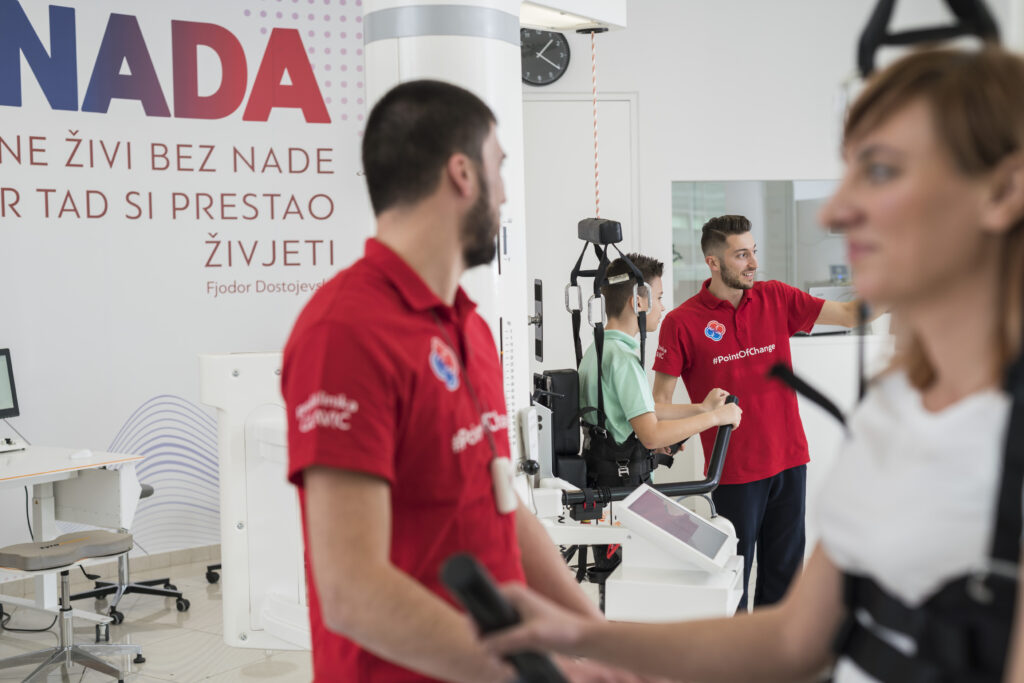
Every small functional improvement achieved through occupational therapy represents a significant personal recovery. Neurological occupational therapy works at the intersection of identity, participation, and quality of life, and its impact extends to the entire family.
At Glavic Clinic USA, intervention begins from day one and continues where it matters most: in the patient’s daily life.
References
Vásquez-Carrasco E, Jamett-Oliva P, Hernandez-Martinez J, et al. Effectiveness of Occupational Therapy Interventions on Activities of Daily Living, Cognitive Function, and Physical Function in Middle-Aged and Older People with Chronic Stroke: A Systematic Review with Meta-Analysis. J Clin Med. 2025;14(7):2197. doi:10.3390/jcm14072197
Mahoney D, Kotler JM, Nilsen DM, Gillen G. Effectiveness of task-oriented approaches and occupation-based activities to improve performance and participation in IADL among adult stroke survivors (2009–2019). Am J Occup Ther. 2023;77(Suppl 1):7710393080. doi:10.5014/ajot.2023.77S10008
Yamakawa M, Nagayama H, Tomori K, Ikeda Y, Niimi M. Effectiveness of active occupational therapy in patients with acute stroke: A propensity score-weighted retrospective study. Front Rehabil Sci. 2023;3:1045231. doi:10.3389/fresc.2022.1045231
Gonzalez-Ros A, et al. Effectiveness of Virtual Reality in Occupational Therapy for Post-Stroke Adults: A Systematic Review. J Clin Med. 2024;13(16):4615. doi:10.3390/jcm13164615
Ishii R, Kirimoto H, Yoshimura M, Tabira T. Translational research of occupational therapy and neurorehabilitation, volume II. Front Hum Neurosci. 2024;18:1426481. doi:10.3389/fnhum.2024.1426481
Contreras-Osorio F, et al. Integrating Physiotherapy, Occupational Therapy, and Cognitive Interventions in Stroke Rehabilitation. Cuestiones de Fisioterapia. 2024.
Pereira S, et al. Interventions within the Scope of Occupational Therapy in the Hospital Discharge Process Post-Stroke: A Systematic Review. Int J Environ Res Public Health. 2022;19(18). doi:10.3390/ijerph191811815
Niu CM, et al. Robot-assisted therapy in stratified intervention: a randomized controlled trial on poststroke motor recovery. Front Neurol. 2024;15:1453508. doi:10.3389/fneur.2024.1453508
Hao J, et al. Effects of robot-assisted therapy for upper limb rehabilitation after stroke: An umbrella review of systematic reviews. Stroke. 2025. doi:10.1161/STROKEAHA.124.048183
Zhang Y, et al. Effectiveness of robot-assisted task-oriented training intervention for upper limb and daily living skills in stroke patients: A meta-analysis. PMC. 2024. PROSPERO No. CRD42024513483.
Lee H, Howe T; Hildebrand M, et al. (cited in) Recovery of Function After Acquired Neurological Injury. Am J Occup Ther. 2024;78(2):7802070010. doi:10.5014/ajot.2024.78S2001