When a family receives a diagnosis of a neurological condition in their son or daughter, one of the first questions that arises is: what can we do? The answer, based on current scientific evidence, is clear and encouraging: a great deal, and the sooner the better.
A brain that wants to learn: neuroplasticity as a starting point
A child’s brain has something extraordinary: an enormous capacity to reorganise itself, learn and create new connections. We call this neuroplasticity. During childhood and adolescence, this plasticity is at its peak, meaning that the nervous system can adapt and improve in ways that are not possible later in life.
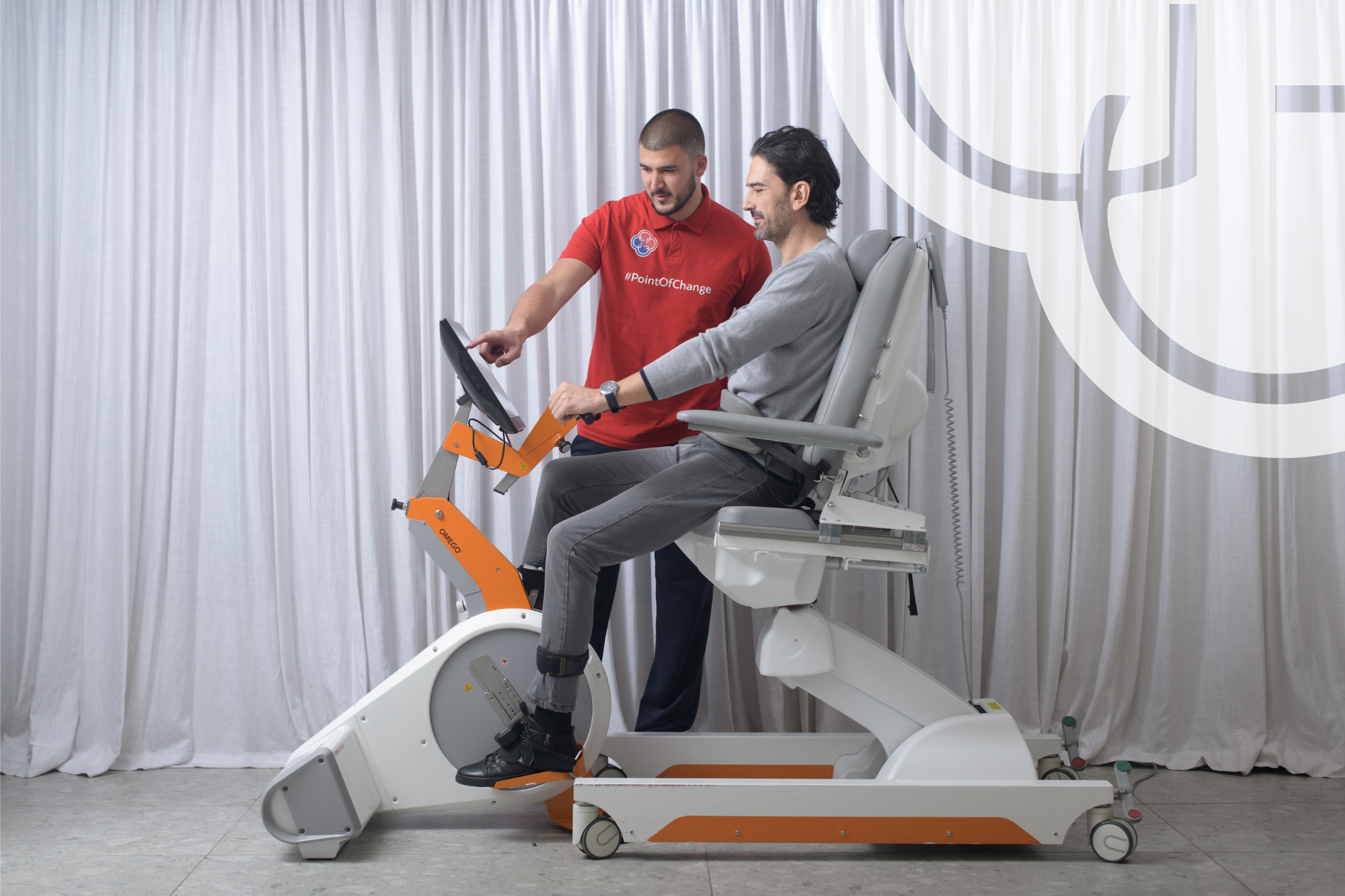
For this capacity for change to be activated, the brain needs four key elements: repetition (lots of practice of the same movement), genuine effort (the task must be challenging), specificity (practising what one wants to improve) and meaning (the activity must be meaningful to the child). When these four elements come together, the brain begins to create and strengthen new neural connections. That is precisely the aim of intensive robotic therapy.
The family is not just an observer: it is an essential part of the treatment
This is perhaps the most important point in the entire blog, and the one that has undergone the most significant shift in recent evidence. For years, paediatric rehabilitation tended to view parents as mere companions. Today, the science is unequivocal: when the family is actively involved, outcomes improve significantly and sustainably. And this has its own name in the international literature: family-centred care (Family-Centred Service, FCS).
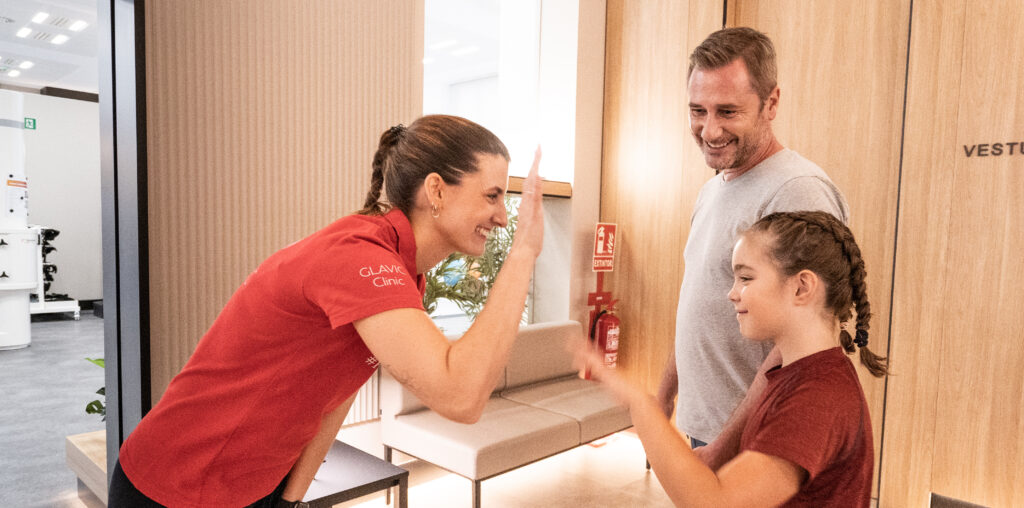
This model, developed and validated since the 1990s by the CanChild McMaster Research Centre (Canada), is based on a clear principle: parents and carers are not passive recipients of information, but active partners in decision-making and in the implementation of the treatment plan. The centre of expertise in neuropaediatrics, not the clinical team, defines what matters in the child’s life. And that guides everything else.
To assess the extent to which services actually put this into practice, CanChild developed the Measure of Processes of Care (MPOC), an internationally validated tool that evaluates families’ perceptions of the quality of care received across five dimensions: training and partnership, general information, specific information about the child, respectful care and support, and coordination of the care plan.
A child’s motivation: a therapeutic factor, not a cosmetic one
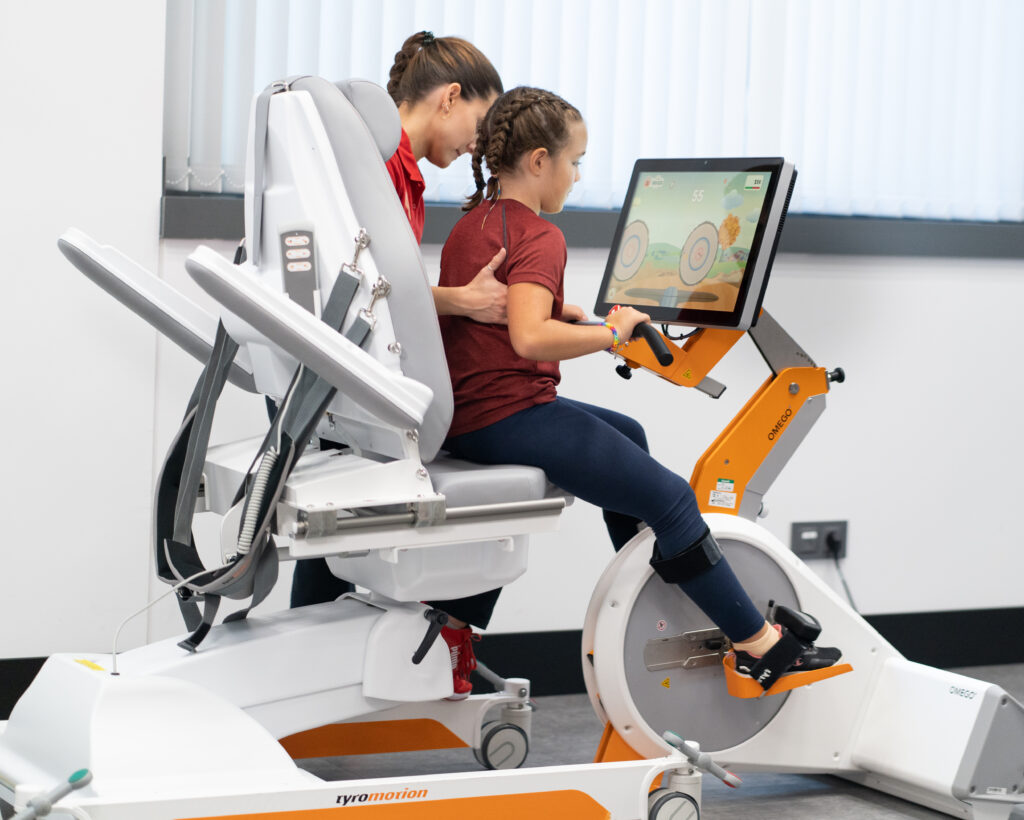
One of the real challenges in any intensive paediatric rehabilitation programme is ensuring that the child wants to keep coming. They shouldn’t see it as a chore or something painful, but as something worthwhile. Robotic systems have a distinct advantage here: the most advanced ones incorporate virtual reality and game-based elements that transform the session into an active and meaningful experience for the patient.
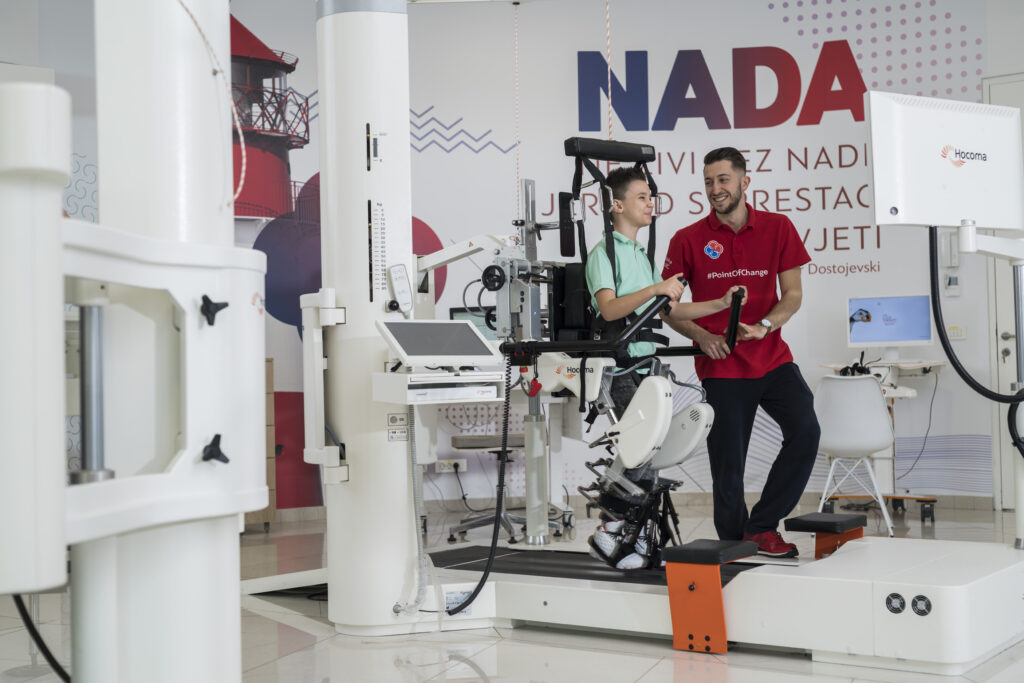
The child isn’t just exercising: they’re beating levels, seeing their score improve, and receiving immediate feedback. And from the brain’s perspective, that’s not just entertainment. Motivation and active engagement are direct modulators of neural plasticity: a child engaged in the task generates more and higher-quality repetitions. Clinical trials confirm this with data: patients using robotic therapy consistently report greater satisfaction and a higher perceived quality of life during the rehabilitation process.
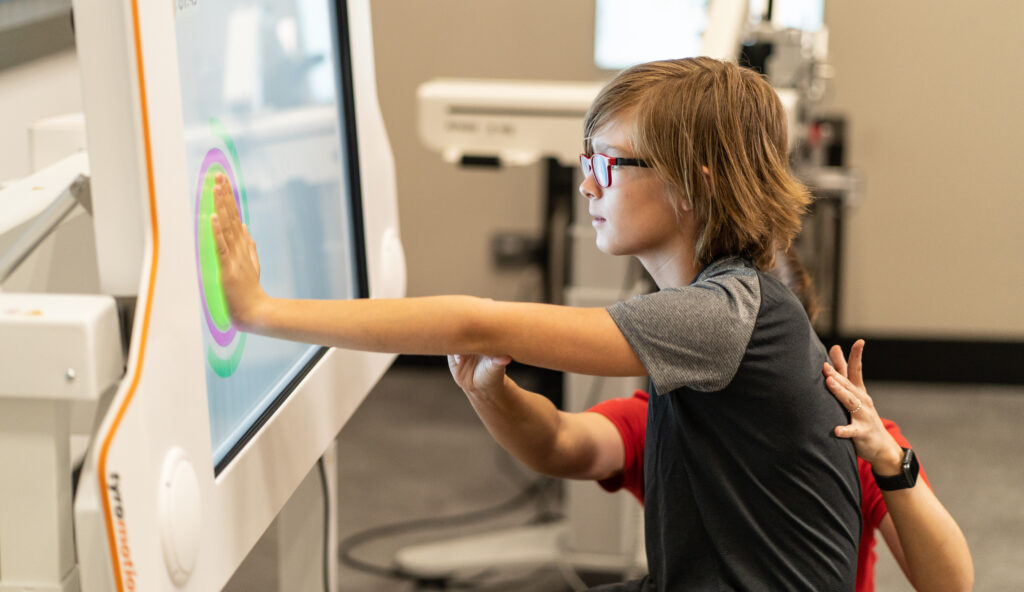
At Glavic Clinic USA, we don’t set the goals on our own. We define them together with the child and their parents, based on what really matters in their daily lives: being able to hold a glass, walk down the school corridor, or talk to their classmates. These are the goals that guide the programme.
Because behind every statistic, there is a story. And behind every session, there is a life goal.