The brain has a unique ability to change, reorganize, and relearn after injury or illness, this is called neuroplasticity. When a stroke, brain injury, or spinal cord damage disrupts certain functions, the neural pathways that once controlled them no longer work as they did before. Thanks to neuroplasticity, many patients can relearn how to walk, speak, or perform movements that once seemed out of reach.
The Brain Learns and Heals Itself
The recovery process is based on learning through movement. Every time a person attempts to perform a movement, whether it is muscle activation, maintaining balance, or taking a step forward, the brain receives a signal that this function should be strengthened. The more precise the movement and the more often it is repeated, the faster the brain builds new neural connections.
That is why small steps in therapy are so important. Stable sitting, activation of a leg muscle, lifting an arm, or the first real attempt at weight bearing all contribute to the creation of new pathways, which later connect into more complex and functional movements. Most importantly, neuroplasticity does not disappear after a few months. With proper stimulation, the brain can continue to learn for years after an injury.
What does this mean in everyday life?
Progress in neurorehabilitation does not happen all at once but gradually, yet every small change is valuable.
For example, a person who has relied on assistance for months may be able to sit independently, or a “paralyzed” arm may begin to show its first muscle activations. The first secure step without support signals a return of stability.
As the patient works on a task, the brain simultaneously builds, strengthens, and connects new neural pathways. This is the true power of neuroplasticity.
Why are intensity and precision so important?
The brain learns from what we do, and that is why the way we perform exercises makes a big difference. To make learning as effective as possible, it is important to focus on several key elements:
- Intensity: a higher number of quality repetitions strengthens learning
- Specificity: we need to practice exactly what we want to regain, such as walking, balance, or grasping
- Execution without compensations: incorrect movements create “wrong pathways”
- Feedback: visual, auditory, and tactile feedback speeds up learning
All of these components together create the conditions in which the brain can best recognize and acquire new functions.
What do we do at Glavic Clinic to stimulate a stronger neuroplastic response in the brain?
At Glavic Clinic, neuroplasticity is the foundation of every individual rehabilitation program.
To stimulate it in the best possible way, we combine:
- robotic neurorehabilitation
- functional and targeted physiotherapy
- neurodevelopmental concepts
- precise evaluation and continuous adjustment of the plan
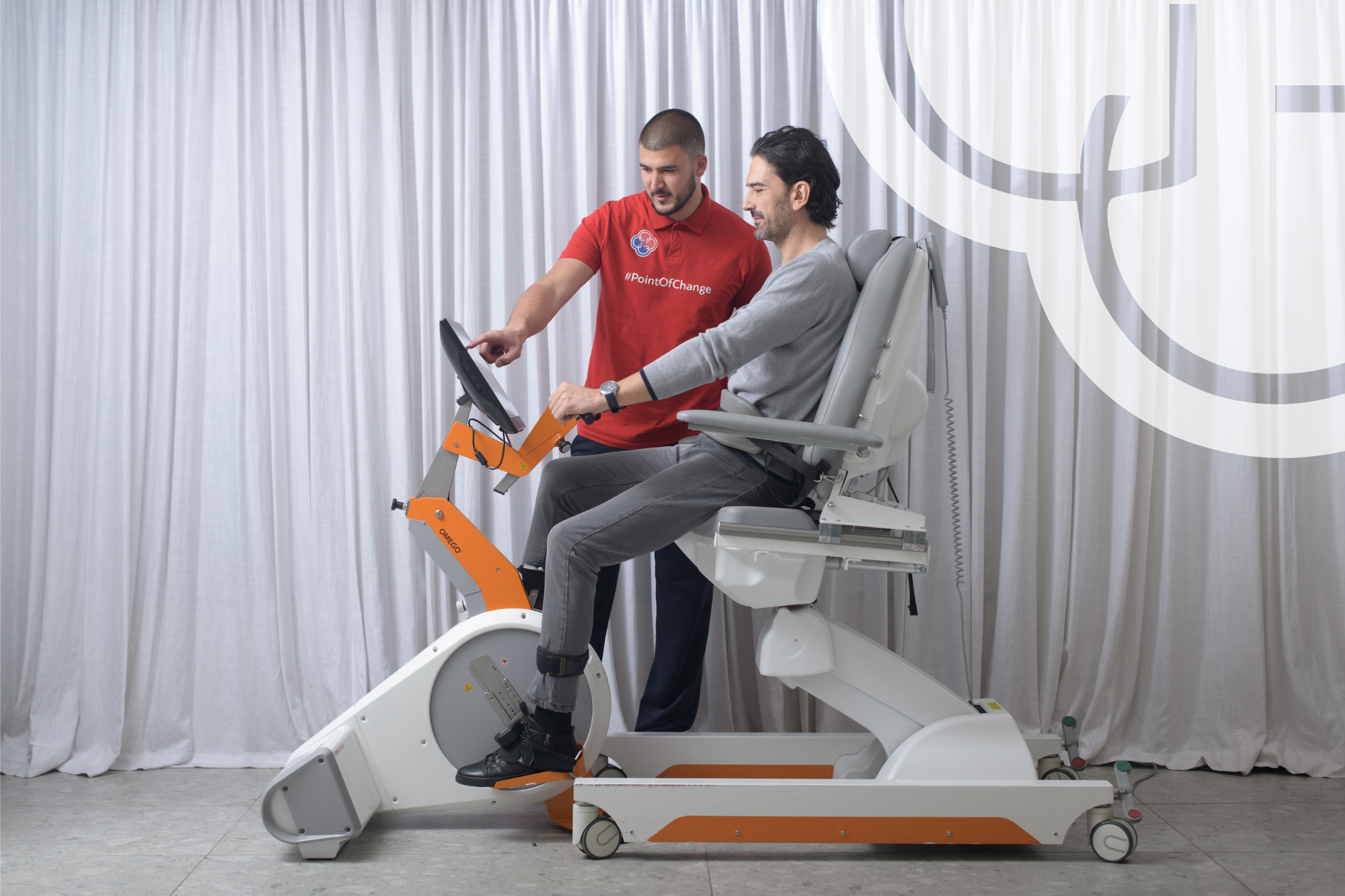
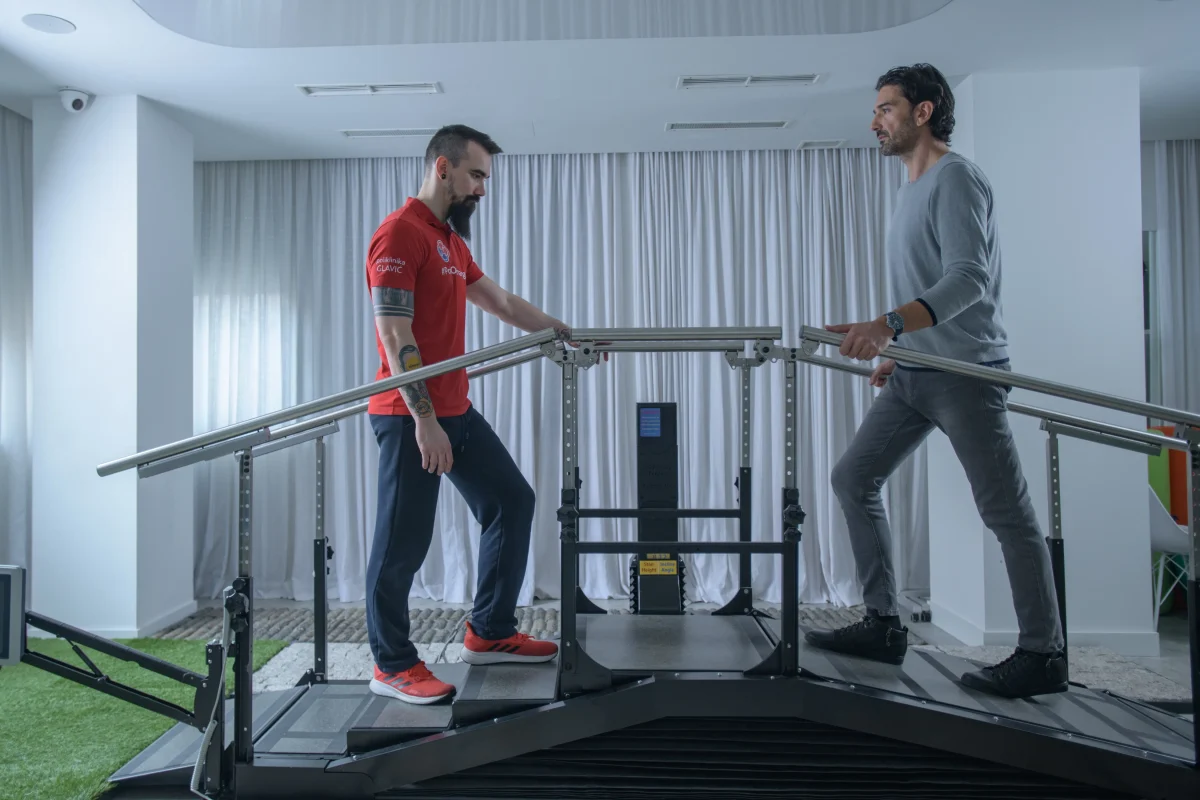
Robotic systems enable hundreds to thousands of correct repetitions in a single therapy session, which is optimal for creating new neural pathways. The patient actively participates in the movement, while the systems adjust intensity in real-time, provide support, and track progress. The result is a more effective recovery and increased motivation.