A person experiences weakness in an arm or leg, has difficulty walking, loses their balance, develops a tremor or other involuntary movements, and sometimes has episodes that may resemble epileptic seizures. The symptoms are real and can significantly affect independence, the ability to work and quality of life.
At the same time, standard diagnostic tests sometimes show no structural damage that could fully explain the clinical presentation.
One possible explanation for these symptoms is functional neurological disorder (FND).
We now know that FND is not an imagined condition, its symptoms are not consciously produced, and it should not be regarded as a diagnosis made simply because other tests have not identified a cause. It is a real neurological disorder diagnosed on the basis of characteristic positive clinical features.
What is functional neurological disorder (FND)?
Functional neurological disorder encompasses a group of neurological symptoms associated with changes in the way the nervous system functions and controls certain functions, such as movement, sensation or seizure-like episodes.
Unlike conditions in which symptoms can be directly linked to clearly identified structural damage to the nervous system, the relationship between symptoms and structural findings in FND is not of this kind.
However, this does not mean that “nothing is happening” or that the patient can simply control their symptoms voluntarily.
Current research points to changes in the functioning of brain networks involved in movement control, attention, the sense of control over one’s own movements, the processing of sensations, emotions and other processes. The exact mechanisms of FND remain the subject of intensive research.
For this reason, the simplistic explanation that FND is exclusively a “psychological problem” is now being firmly abandoned.
What are the symptoms of functional neurological disorder?
FND does not present in the same way in everyone. Symptoms may include:
- functional weakness or a feeling of paralysis in the limbs
- functional gait disorders
- tremor and other involuntary movements
- functional dystonia
- balance difficulties
- changes in or loss of sensation
- functional seizures
- speech and voice disorders
- visual disturbances
- dizziness and unsteadiness
- functional cognitive symptoms.
Fatigue, pain, sleep disturbances, difficulty concentrating, anxiety or depressive symptoms may also coexist with FND.
The clinical presentation can vary widely, from relatively mild symptoms to severe functional limitations.
How is FND diagnosed?
One of the most important changes in the current understanding of functional neurological disorder concerns the way it is diagnosed.
FND should not be diagnosed simply because magnetic resonance imaging, laboratory tests or other diagnostic investigations are normal.
Positive clinical signs in the diagnosis of FND
The diagnosis is based on the clinical history and the recognition of positive clinical signs that demonstrate characteristic patterns of nervous system functioning.
In functional weakness, one of the best-known examples is Hoover’s sign. In functional tremor, changes in the characteristics of the tremor may be observed during certain tasks, such as its tendency to change rhythm during rhythmic movements of another part of the body.
These findings are not evidence that the patient is feigning the symptom. On the contrary, they can help the clinician diagnose FND on the basis of positive signs.
At the same time, the presence of FND does not rule out another neurological or other medical condition. Functional and structural neurological disorders can coexist, which makes a thorough neurological assessment particularly important.
Why can symptoms change during different activities?
This is one of the features that patients and their families may find particularly difficult to understand.
In functional motor symptoms, the ability to perform a movement can vary depending on how it is performed, how much attention is directed towards it and the context in which it occurs.
For example, a patient may have considerable difficulty when consciously attempting a particular movement, while a similar pattern of activation may occur automatically during another activity.
This does not mean that the person is deliberately controlling or producing the symptom.
This feature is important for rehabilitation because it shows that, in some patients, there is potential to restore more effective patterns of motor control.
Why is it important to explain the diagnosis to the patient?
Explaining the diagnosis is not merely a formal part of the consultation: it can be an important first step in treatment.
The patient should be clearly told that their symptoms are real;
- the diagnosis is based on recognisable clinical signs;
- the symptoms are not intentionally produced;
- there is potential for improvement in function;
- treatment and rehabilitation require the patient’s active participation.
A prolonged search solely for a new structural explanation after an accurate diagnosis may delay appropriate treatment. On the other hand, new or significantly changed symptoms should always receive an appropriate medical assessment.
How is functional neurological disorder treated?
There is no single treatment protocol that is suitable for everyone with FND.
The treatment plan should be tailored to the predominant symptoms, their duration and severity, functional limitations, coexisting health problems and the patient’s goals.
Who is involved in treating FND?
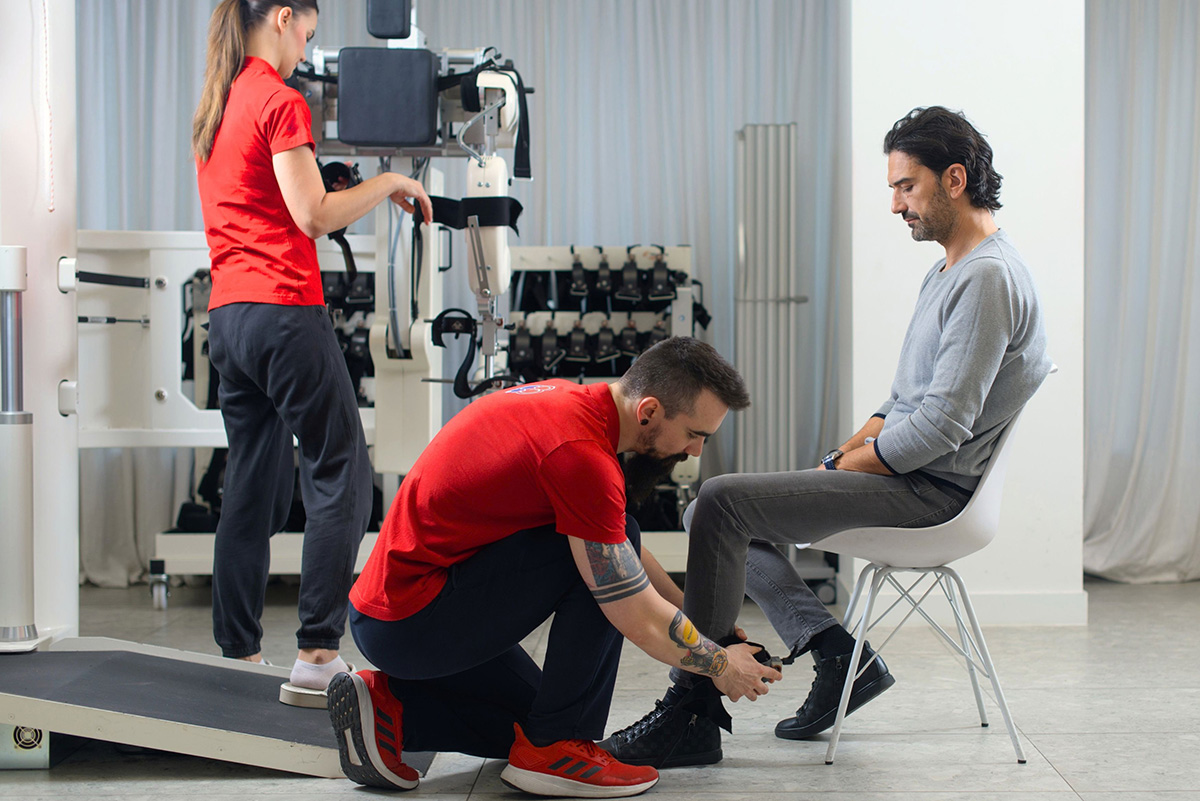
Depending on the clinical presentation, treatment may involve:
- a neurologist
- a specialist in physical and rehabilitation medicine
- a physiotherapist
- an occupational therapist
- a psychologist or neuropsychologist
- a psychiatrist
- a speech and language therapist
- other healthcare professionals as needed.
The role of physiotherapy and psychological interventions
Specialist physiotherapy and rehabilitation can play an important role in functional motor symptoms, while the focus of treatment may differ in other forms of FND.
Psychological interventions can also be an important part of treatment, particularly when functional seizures, anxiety, depression, trauma, maladaptive coping patterns or other relevant factors are present. Their inclusion does not mean that the symptoms are “made up” or that the condition is “purely psychological”.
Rehabilitation for functional motor symptoms
Rehabilitation for a person with FND differs from the conventional approach used for many structural neurological injuries.
For functional motor symptoms, the aim is not simply to increase muscle strength or endlessly repeat a movement that the patient finds difficult.
One important aim is to restore movement patterns that are more effective, more functional and as automatic as possible.
What does the rehabilitation programme include?
Depending on the findings of the individual assessment, rehabilitation may include:
- gait training
- balance and postural control training
- work on transfers and everyday activities
- a gradual increase in activity levels
- identifying and reducing unnecessary compensatory strategies
- developing strategies for self-management of symptoms
- education about the nature of functional symptoms
- relearning normal movement patterns
- functional activities instead of excessive focus on an isolated deficit
- shifting the focus of attention during movement
- using external cues, rhythm or a functional goal
- transferring acquired abilities from the therapy setting to everyday life.
The rehabilitation programme should therefore be defined not just by the number of therapy hours, but above all by clear functional goals and regular assessment of the response to therapy.
How is the intensity of rehabilitation determined?
In appropriately selected patients, a more intensive rehabilitation approach may form part of the treatment of functional motor symptoms.
Intensity must be individually tailored. Excessive demands, constant attention to symptoms or therapy without a clear functional goal may not always be beneficial.
It is therefore important to monitor the patient’s response, functional progress, fatigue, independence and the transfer of outcomes to everyday life, and to adjust the programme accordingly.
The role of technology and robotic rehabilitation in FND
Modern rehabilitation technologies can be a useful addition to the programme for some patients, but their role in FND should be viewed realistically.
Technology is not a stand-alone treatment for FND, nor is there evidence that robotic rehabilitation is universally indicated for people with this disorder.
In carefully selected situations, technology may enable:
- structured repetition of a functional task
- external feedback
- a shift in the focus of attention
- balance and weight-shifting training
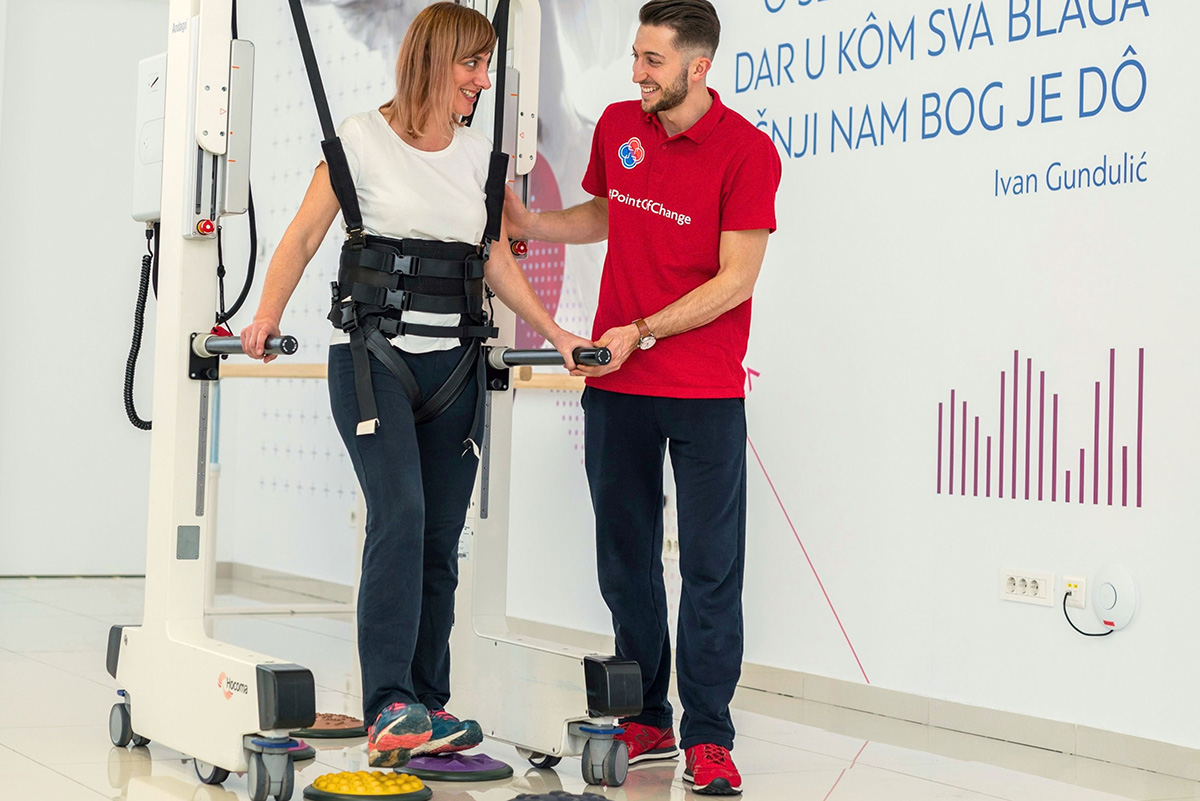
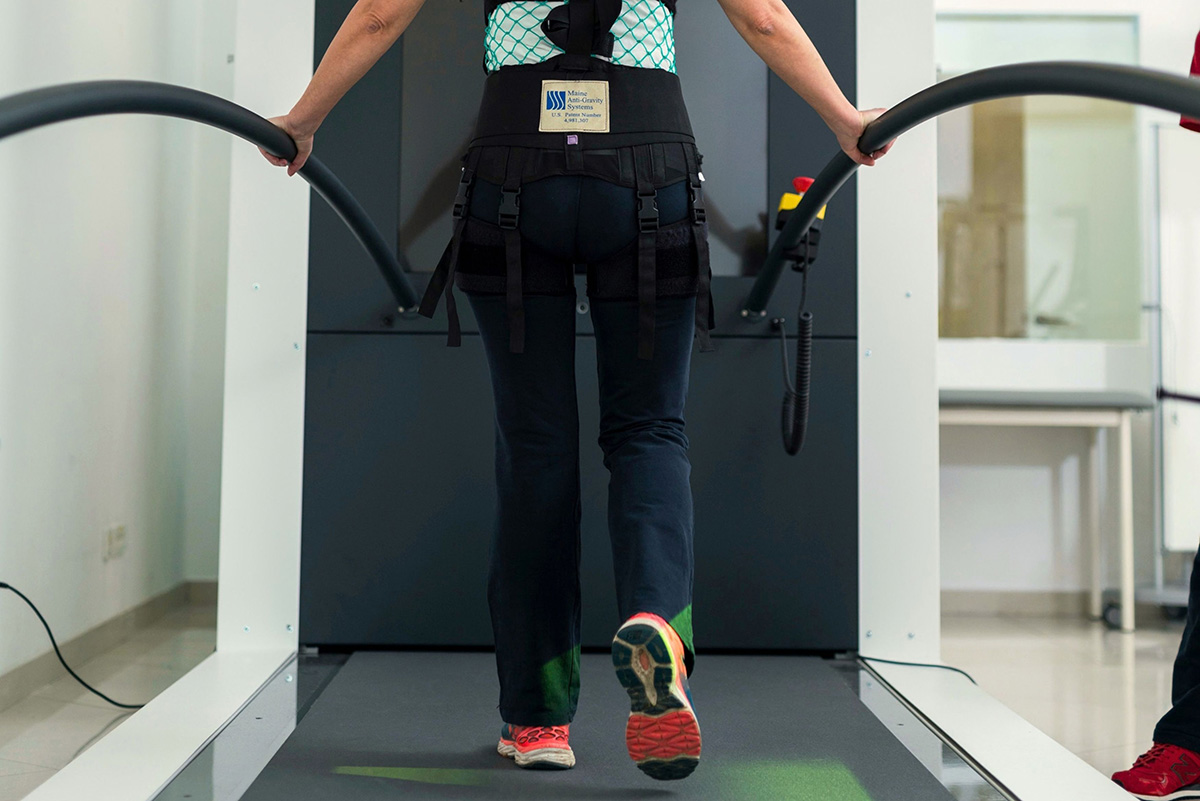
- gait training in controlled conditions
- more objective monitoring of certain performance parameters.
It is essential that the device does not become the goal of therapy or make the patient feel that function can only be achieved with the help of technology.
The ultimate goal remains the greatest possible independence and the transfer of learned movement to everyday functioning.
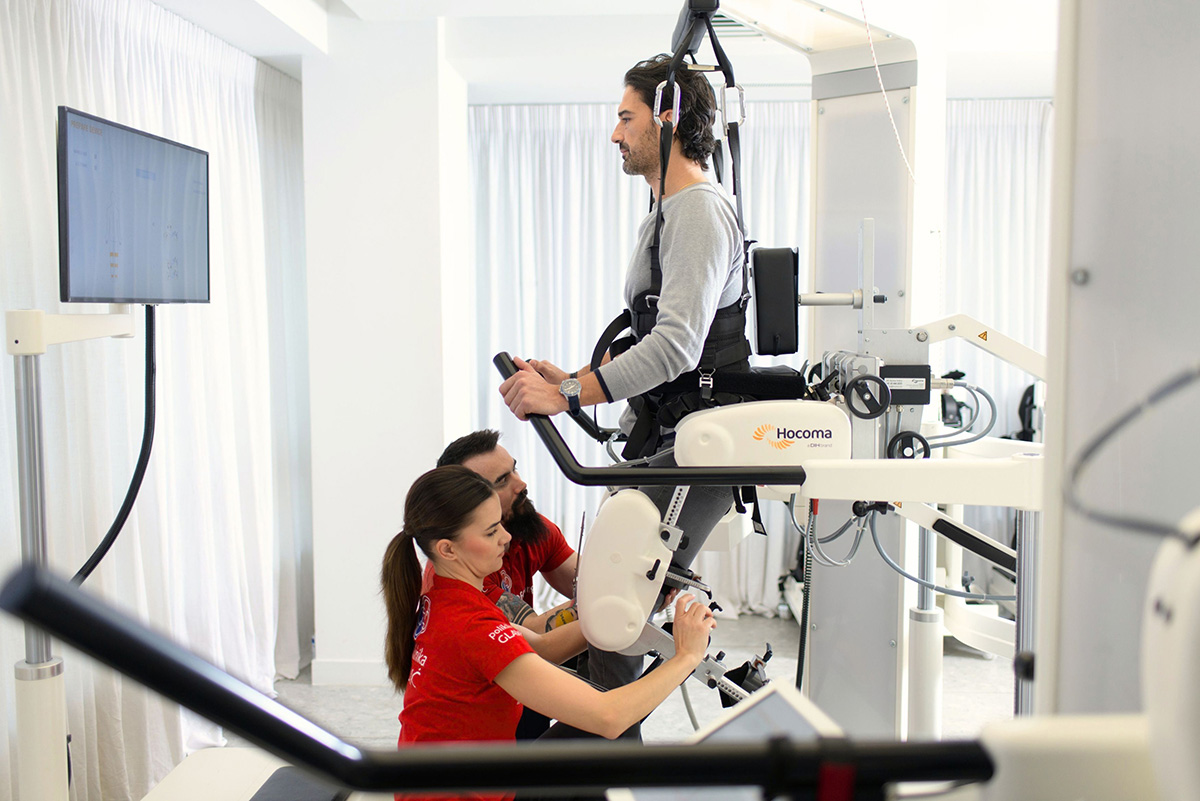
Individual assessment and rehabilitation at Glavic Clinic
For a patient diagnosed with functional neurological disorder, the rehabilitation programme should not be determined by the diagnostic label alone.
It is necessary to assess what the patient can do, where functional difficulties arise, the circumstances in which symptoms change and how they affect everyday life.
At Glavic Clinic, the approach to neurorehabilitation is based on an individual assessment of functional status and the definition of specific therapeutic goals.
Depending on the patient’s needs, areas such as gait, balance, transfers, upper limb function, activities of daily living, cognitive functions and other relevant abilities are assessed.
Based on the findings, a combination of therapeutic interventions is selected, with monitoring of the response to therapy and adjustments to the programme throughout the rehabilitation cycle.
In FND, it is particularly important that the rehabilitation team understands the specific features of the disorder. A therapeutic approach that is appropriate after a stroke, spinal cord injury or traumatic brain injury is not necessarily optimal for a person with functional neurological symptoms.
The technology used is a tool for achieving a functional goal, not a goal of rehabilitation in itself.
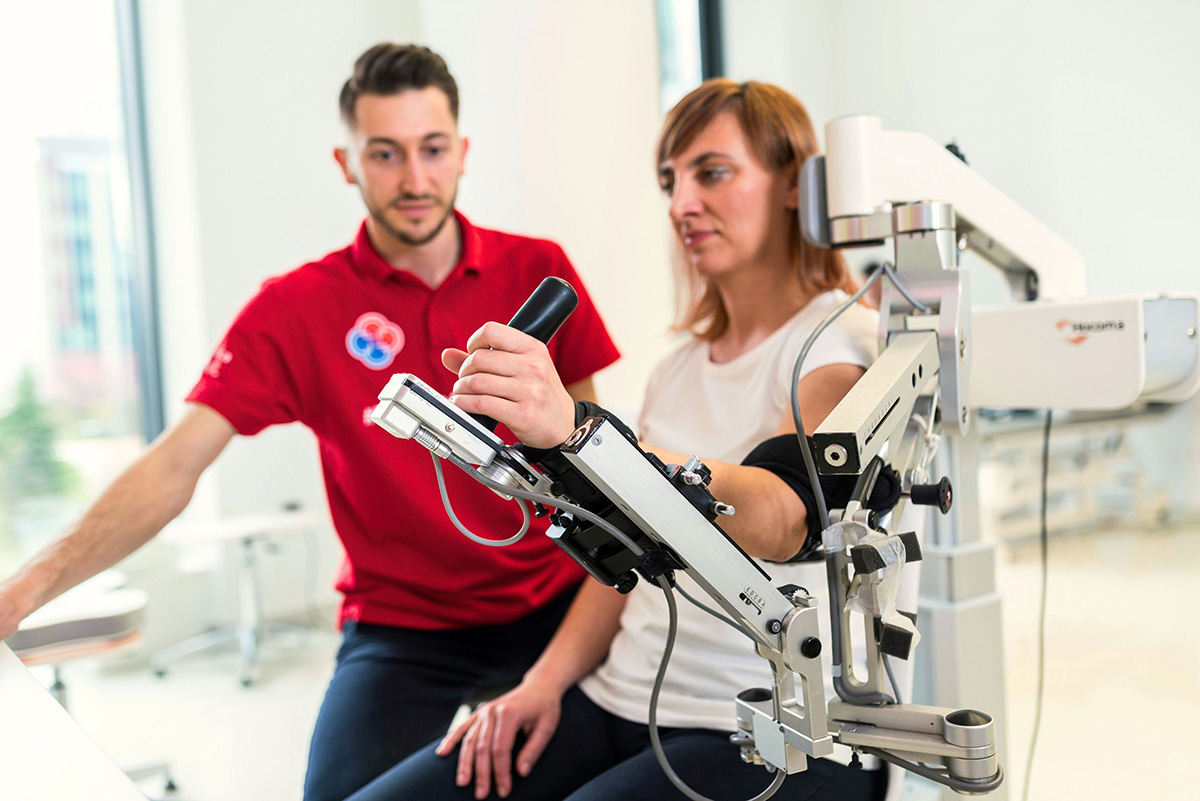
What recovery can people with FND expect?
The course of FND varies between patients.
Some people may achieve significant improvement or remission of symptoms, while others may experience persistent symptoms that substantially affect their functioning.
Many factors can influence the outcome, including the duration and type of symptoms, coexisting conditions, timely diagnosis, understanding of the disorder, access to appropriate treatment and the individual response to therapy.
It is important to avoid two extremes.
FND should not automatically be assumed to be permanent.
Equally, it is not justified to promise every patient a full recovery.
Realistic rehabilitation goals are set individually and continuously adjusted according to objective functional progress.
What is important to know about functional neurological disorder?
Functional neurological disorder illustrates how much more complex the functioning of the human nervous system is than an image of its structure alone can reveal.
A normal magnetic resonance imaging result does not mean that the symptoms are not real.
FND is not intentional behaviour or feigned illness.
The diagnosis should be based on positive clinical signs, not solely on ruling out other conditions.
For functional motor symptoms, appropriately directed rehabilitation can be an important part of treatment. The aim is to gradually restore more effective movement control, increase functional independence and enable acquired abilities to transfer from the therapy setting to everyday life.
References
- Aybek S, Perez DL. Diagnosis and management of functional neurological disorder. BMJ. 2022;376:o64.
- Nielsen G, Stone J, Matthews A, et al. Physiotherapy for functional motor disorders: a consensus recommendation. Journal of Neurology, Neurosurgery & Psychiatry. 2015;86(10):1113–1119.
- Dworetzky BA, Baslet G. Functional neurological disorder: Practical management. Neurotherapeutics. 2025;22(4):e00612.
- Nielsen G, Stone J, Lee TC, et al. Specialist physiotherapy for functional motor disorder in England and Scotland (Physio4FMD): a pragmatic, multicentre, phase 3 randomised controlled trial. The Lancet Neurology. 2024;23(7):675–686.
- Mavroudis I, Petrides F, Franekova K, et al. Treatment of functional neurological disorder: an umbrella review of systematic reviews and meta-analyses. Journal of Neurology. 2025;272(11):710.
- Keatley ES, Cairncross M, Raman S, et al. Rehabilitation Therapies for Functional Neurological Disorder: A Systematic Review and Meta-Analysis of Clinical Trials. The Journal of Neuropsychiatry and Clinical Neurosciences. 2026. doi:10.1176/appi.neuropsych.20250222.